
Qatar Ultra Runners
Meet the Founders
Four runners, one Friday breakfast, and a distance nobody in Qatar had raced before.
The special breakfast
In the summer of 2017, four friends sat down to breakfast in Doha after their usual Friday morning run. One of them suggested crossing the entire country on foot. None of the four had organised a race before, and none of them had run 90km.
What came out of that conversation is now Qatar's first and longest road running race, and an events company that puts several thousand runners on start lines every year.
These are the four.
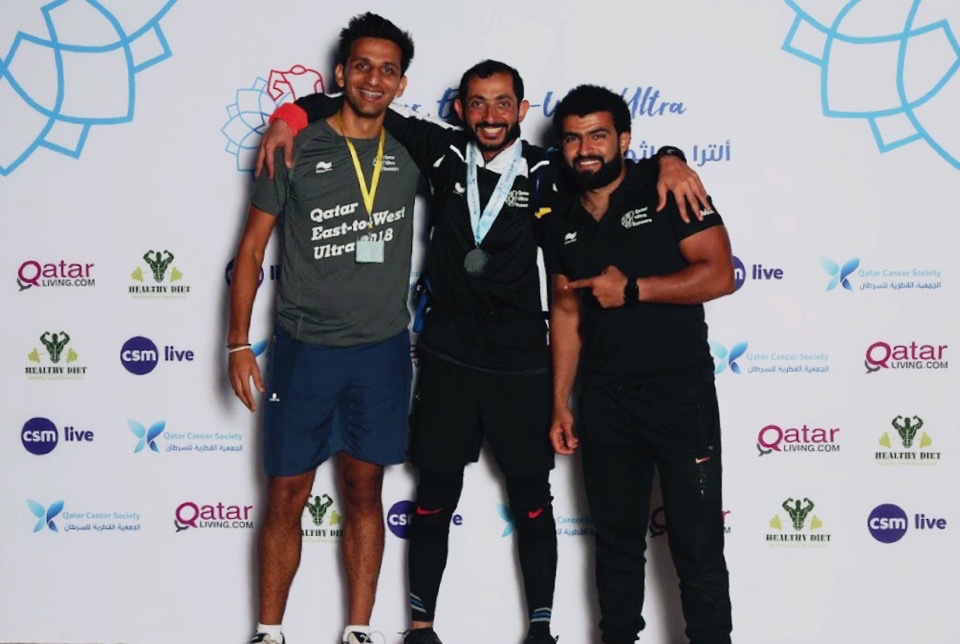
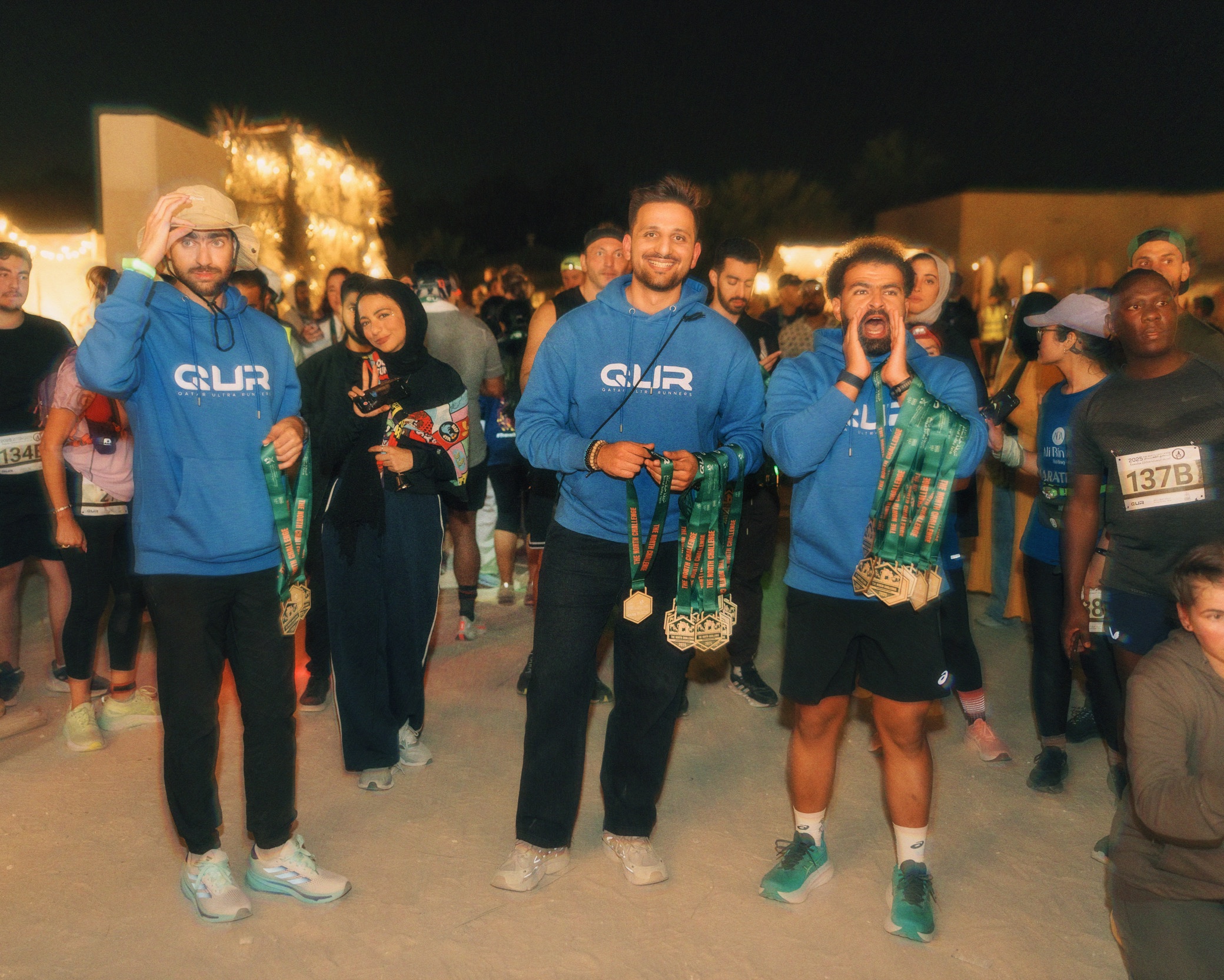
The founders
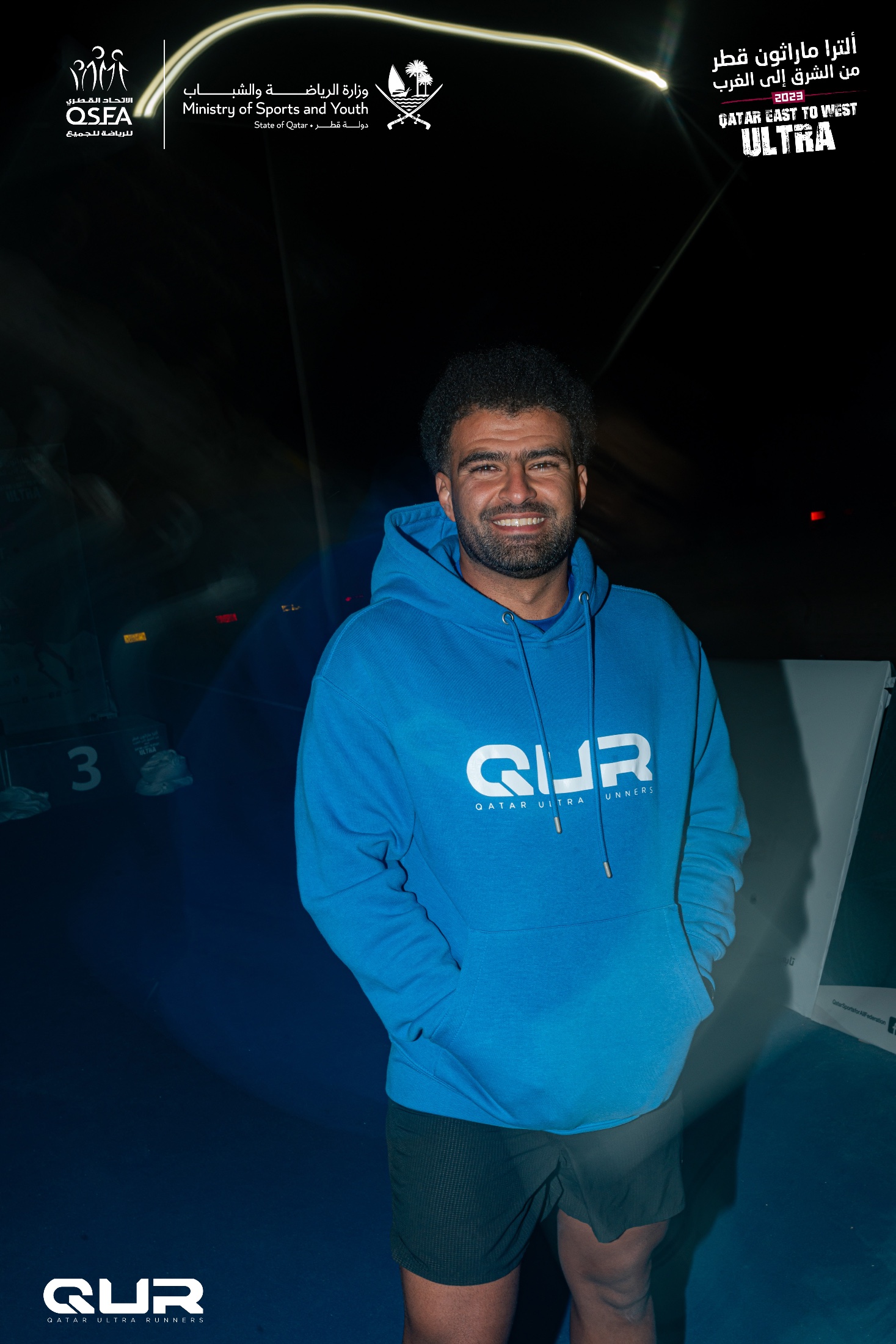
Islam Sallam
Co-Founder & Managing Director
Islam serves as Managing Director of Qatar Ultra Runners, overseeing commercial operations, strategic partnerships, governance and race calendar development.
An accomplished endurance and strength and conditioning coach with over seven years of experience, Islam brings both technical expertise and proven results to athlete development and personal training.
His athletic journey began in 2016 with running and evolved into triathlon. He has completed five Ironman 70.3 races and numerous half and full marathons, in Qatar and internationally.
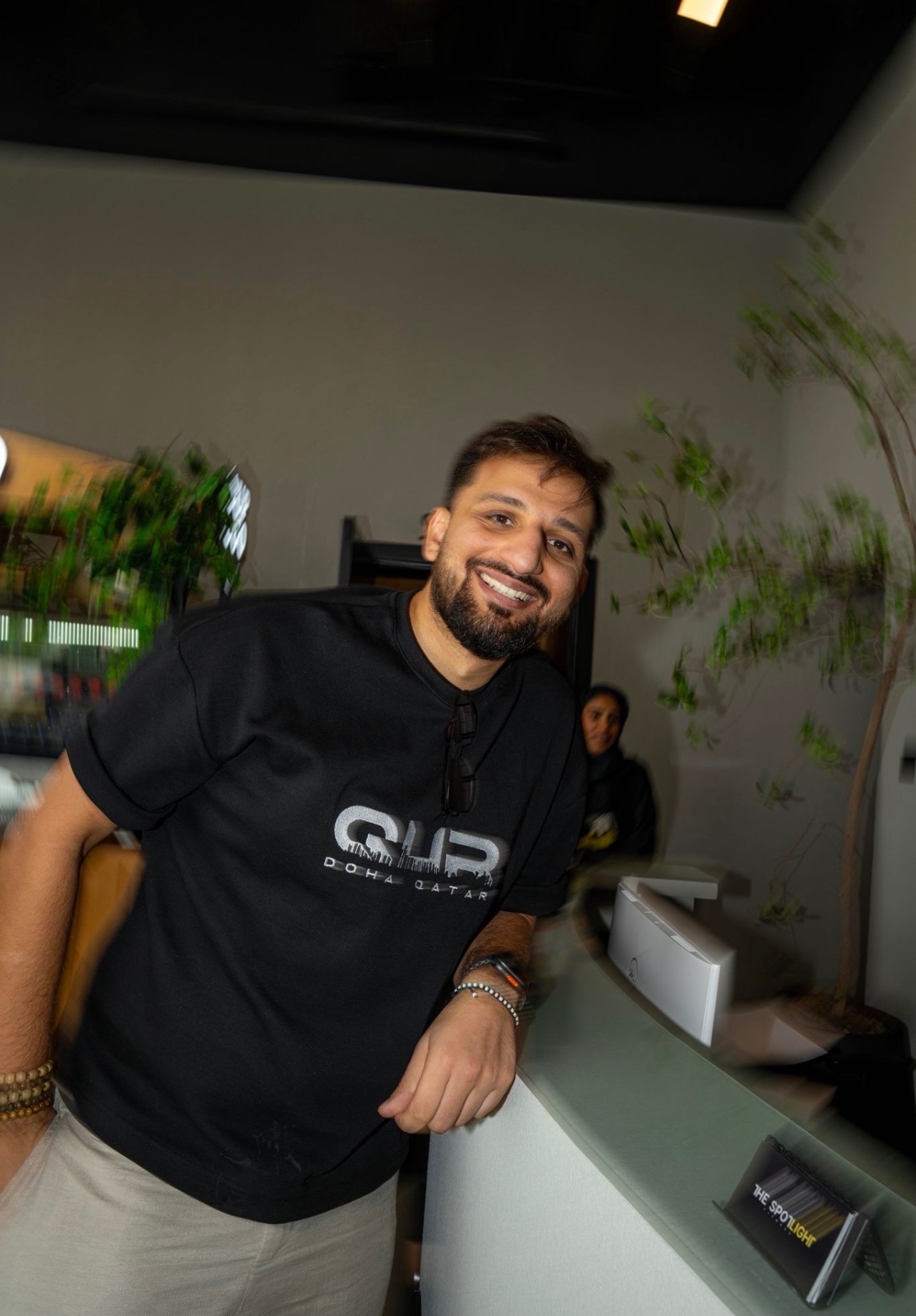
Hesham Shaban
Co-Founder & Operations Director
Hesham runs the operational side of every race — route design, the aid station network, the marshal and volunteer teams, and the safety plan that holds a 90km road race together from a 5am start to the last finisher long after dark. He has directed every edition of Qatar East to West since 2018, scaling it from 95 runners to 1,800.
He is also behind QUR’s digital platforms, having built and coded the organisation’s websites and internal management systems from scratch to support everything from public content and merchandise to sales, inventory and administration.
Outside Qatar Ultra Runners he works in major international events. That has taken him through the FIFA World Cup Qatar 2022, Expo 2023 Doha, the AFC Asian Cup, the Formula 1 Qatar Grand Prix, MotoGP, WEC, and the FIFA U-17 World Cup and Arab Cup in 2025 — the same discipline the races run on, at a different scale.
He came to the sport from the other direction: he started running in 2015, moved into triathlon in 2018, and has since finished three half Ironmans, in Turkey, Oman and Warsaw. He is a cyclist as much as a runner, which is how most of Qatar''s roads got scouted before they became race routes.
What he wants next is bigger than the race calendar: more people in Qatar taking part in endurance sport, at every level, and a running community that keeps growing after the finish line has been packed away.
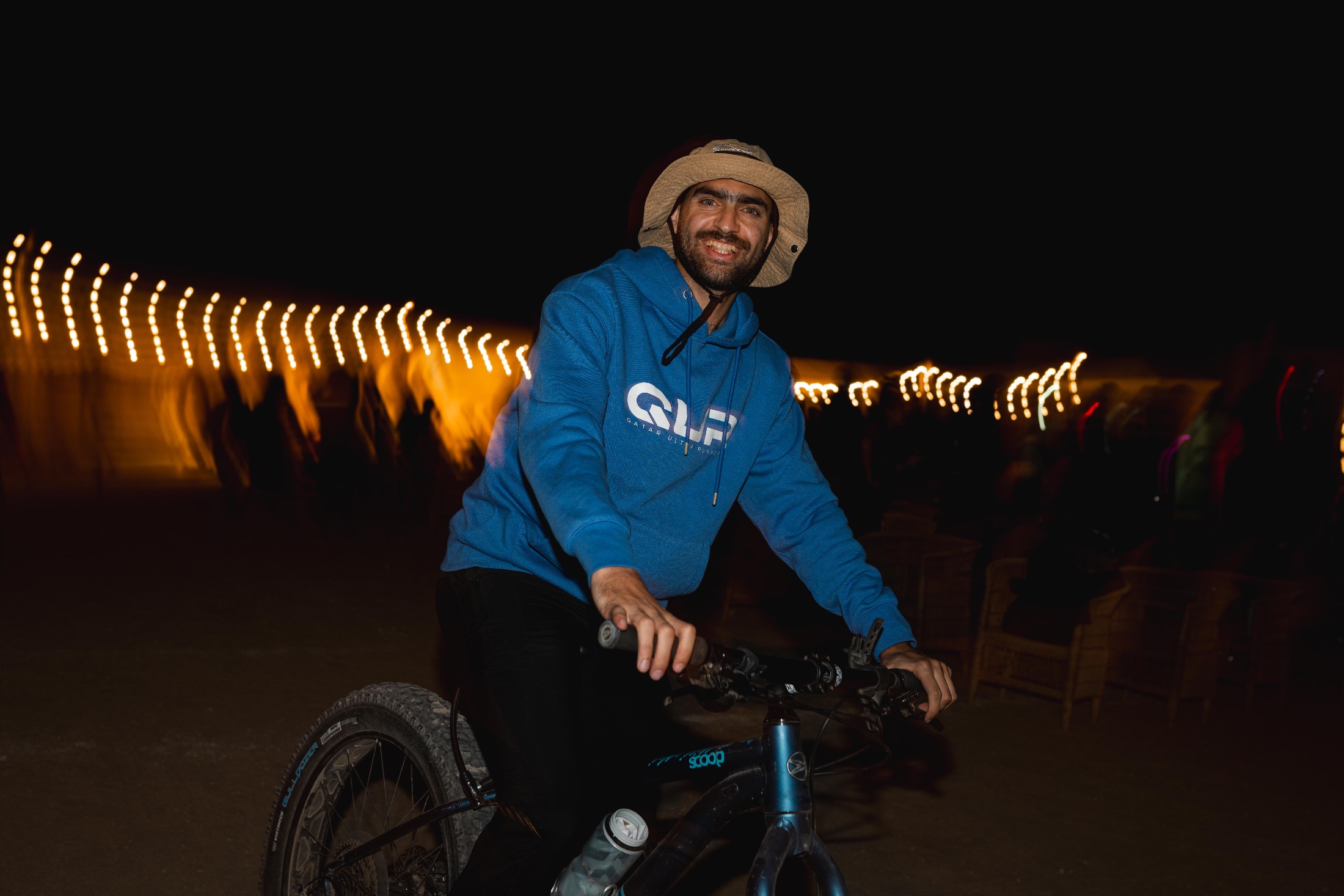
Hamza Ghonim
Co-Founder & Logistics Director
Hamza directs logistics — the part of an ultramarathon nobody notices and everybody depends on. Water, ice, fuel, vehicles, timing equipment and medical cover, spread across 90km of highway and desert, and in position before the first runner arrives.
Outside Qatar Ultra Runners, he brings the same practical, detail-driven approach to his professional work, with a strong focus on planning, coordination and execution. On race day, that translates into making sure every moving part is where it needs to be, often long before participants ever see it.
He comes to the sport as an endurance athlete himself. A runner, triathlete and HYROX competitor, he understands what long-course events demand from the participant’s side as well as the organiser’s. That experience shapes the way he plans logistics — not just around what is operationally efficient, but around what athletes actually need when fatigue, heat and distance start to take over.
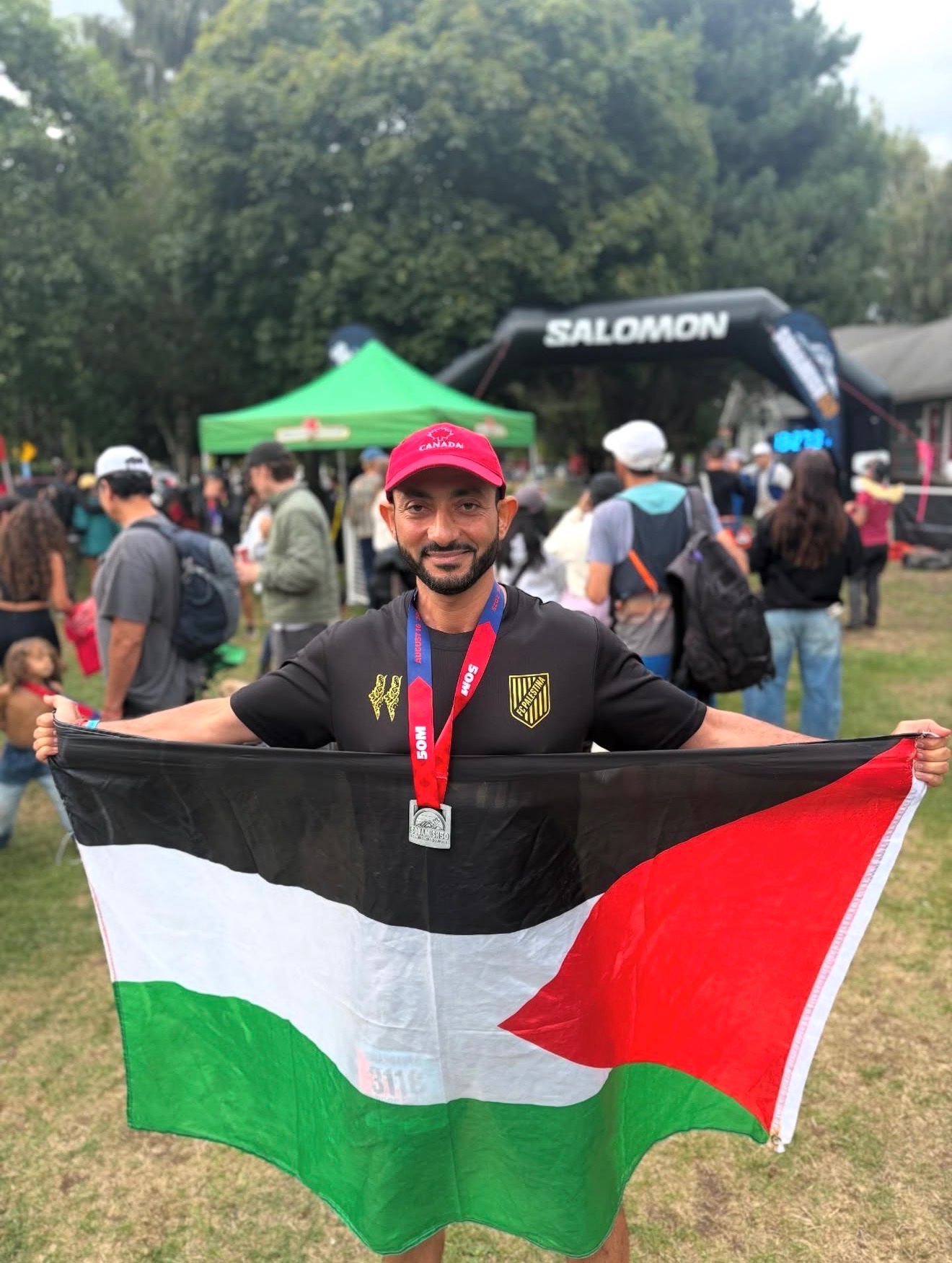
Abdu Ghanem
Co-Founder - 2017
Abdu is the reason any of this exists. Over a Friday-morning Yemeni breakfast in Doha, after the group's usual run, he threw out the idea: his friend Stefan had just run the ~90 km from Dukhan to Doha — so why couldn't they? That offhand "why not" became 25 runners crossing the country in December 2017.
He moved from Qatar to Canada in 2019, but the race he started has run every year since, and the idea behind it hasn't changed.
Off the trails, Abdu is a software engineer, building full-stack and cross-platform applications — the same problem-solving that once turned a breakfast dare into a national ultramarathon.
Endurance sport has been a constant for well over a decade. He's participated in many national triathlon races and represents Canada's age-group team on the international stage, alongside a steady diet of trail and mountain running that's taken him through many races across the Canadian Rockies and the Cascades, including the Alpenglow 100 km and the Squamish 50. And when he's not swimming, riding, or running, he's out on the water as a dragon boat paddler — always chasing the next start line.
And everyone else
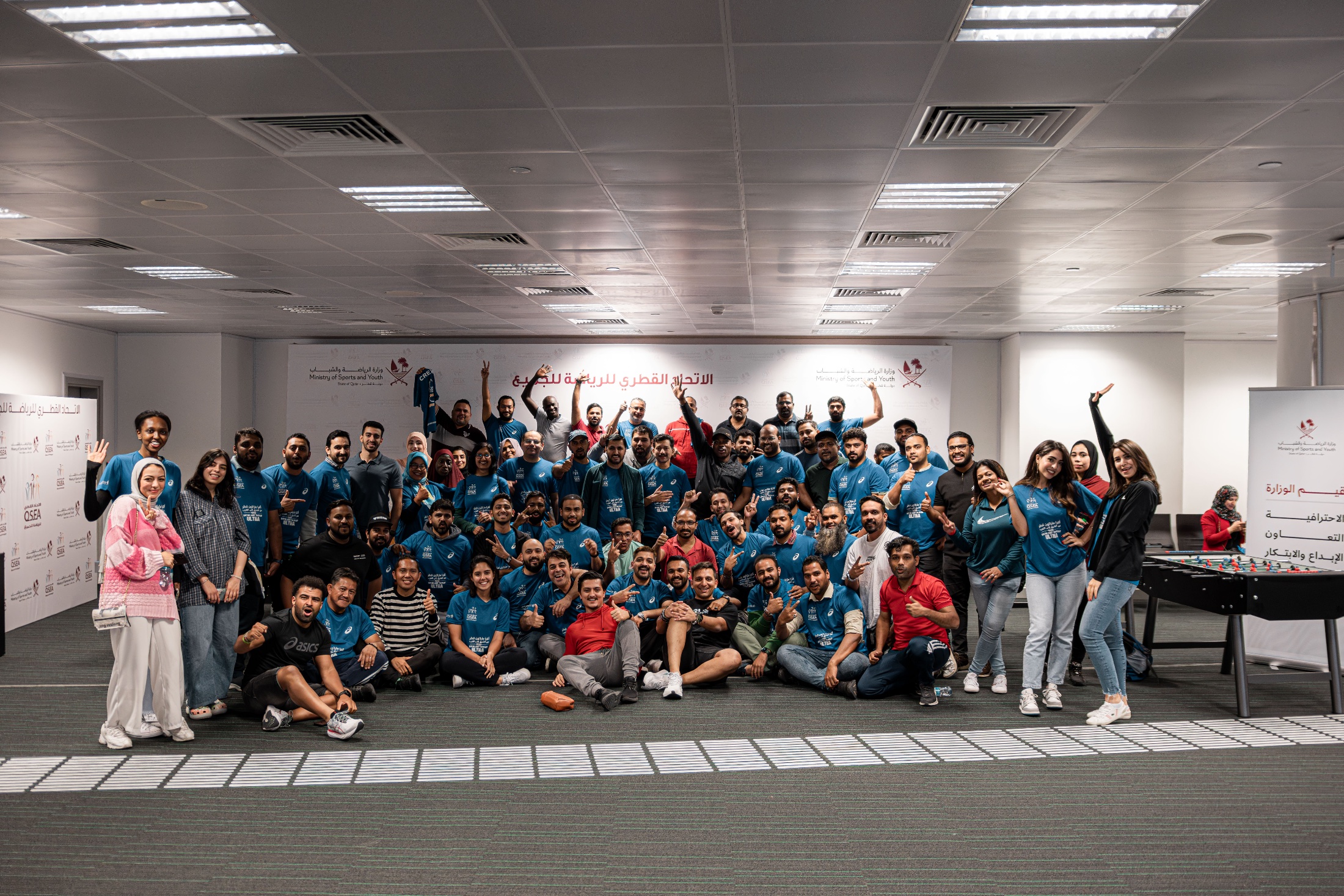
Behind the four of us is a team that has grown with QUR year after year — volunteers, marshals, medics, operations crew, team leaders, marketing support, project-based graphic designers, photographers and many others working quietly behind the scenes.
Some have been with us since the earliest editions. Others joined for one race and ended up becoming part of the wider QUR family. Some are experienced runners themselves; others have never stood on a start line, but still give their time, energy and attention to make sure someone else can reach the finish.
They are the people setting up before sunrise, carrying boxes, checking routes, briefing volunteers, moving equipment, answering last-minute calls, creating the visuals people see online, standing for hours at checkpoints and staying until the final runner is safely through.
As the races have grown, so has the team around them. What started with a handful of people doing everything has slowly become a much wider group, each person owning a small part of something much bigger.
Most participants will never know all of their names, and that is probably the nature of event work. But every finish line, every aid station, every photograph, every piece of signage and every smooth race day carries their work in it. They are the reason QUR has been able to keep growing — and the reason the races still feel like a community, no matter how big they become